
Not all babysitters are right for every family. This guide walks you through the qualities and characteristics that matter most — from how they handle a tantrum to what they tell you when you get home — and how to spot them before you commit.
In this article:
- Why the “right” babysitter looks different for every family
- Why a regular babysitter is more than just a carer
- The qualities that matter most when it comes to children
- Green flags and red flags to watch out for
- How Sitly can help you find the right match
Finding a good babysitter feels straightforward until you actually start looking. Then the questions pile up. How experienced do they need to be? Does age matter? What about qualifications? The truth is, there’s no single answer. It depends on your child, your family, and what you actually need from the person you’re trusting with your kids.
But there are things that matter for every family. The best sitters notice when your child has had a hard day before you even ask. They stay calm when your child is not. These babysitters model the behaviour they want to see, rather than just demanding it. And if they are a regular presence in your child’s week, they matter more than most parents initially expect.
This article walks you through the key qualities to look for in a babysitter and how to spot them before you commit.
Your Babysitter Is More Than Just an Entertainer
For an occasional evening, a babysitter is mostly there to keep things running smoothly while you’re out. They keep your child safe and busy. But if your babysitter is the person your child spends most weekday afternoons with, their relationship becomes much more.
Children pick up on everything: how a caregiver speaks to them, responds to their frustrations, handles a disagreement or meltdown, and whether they are actually happy to spend time with them. All of this leaves a mark. A babysitter who is warm, consistent, and emotionally attentive is not just keeping your child safe, but they are modelling behaviour, passing on values, and becoming a trusted figure in your child’s world.
That is worth taking seriously when you’re trying to find the right one.
First: What Do You Actually Need From Your Babysitter?
Before drawing up a mental checklist about qualities, it helps to think about your specific situation. If you are not yet sure what to expect from a babysitter day to day, start with our guide on what does a babysitter do it is a useful foundation before thinking about the qualities that matter most to you.
A babysitter for a baby or very young toddler needs to be calm, attentive, and confident with the practical side of infant care: feeding, nappy changes, sleep routines, and recognising when something isn’t quite right. Experience with babies specifically matters here, as does the ability to follow your routine closely and communicate clearly about how the session went.
A babysitter for a school-age child has very different tasks. Energy and personality matter way more here than they do with a baby. You want someone who can hold a real conversation with your child, help with homework without taking it over, and handle friendship drama with sensitivity. Initiative matters more here, as does a personality that your child actually connects with.
And then there is everything in between: the lively two-year-old who needs constant supervision, the shy five-year-old who takes time to warm up.
The Qualities of a Good Babysitter that Matter Most
This is the heart of it. Professional experience and good references matter and are definitely worth checking, but they do not tell you how someone actually is with a child in the room. These are the things that do.
Patience. Children are unpredictable, repetitive, and sometimes exhausting. A good babysitter does not let frustration show. When your child is kicking off, they stay calm, and they understand that difficult behaviour is usually your child trying to communicate something, not a personal challenge to manage. They know how to acknowledge the behaviour, and set out to figure out what’s wrong together.
Emotional attunement. There’s a big difference between a sitter who says “everything was fine” and one who says, “she seemed a bit quiet today, I think something might have happened at school.” The best sitters notice and they tell you once you’re back home.
The same goes for how they handle things in the moment. Giving a five-minute warning before tidying up, or acknowledging that something is genuinely disappointing instead of brushing it off, shows someone who’s actually tuned in to the child in front of them.
Warmth and engagement. A babysitter who is physically present but emotionally elsewhere — on their phone waiting for you to come home — isn’t really caring for your child. Look for someone who enjoys being with children, who brings ideas and energy, and who your child is happy to see.
Calm under pressure. Things go wrong. Children fall, arguments break out, temperatures spike, routines go sideways. A good sitter does not panic or freeze. They handle it and keep your child feeling safe. If something genuinely needs your attention, they contact you clearly and calmly, without either hiding or catastrophising it.
Leading by example. A good sitter does not rely on rules and instructions alone. They put their phone away, speak to your child the way they’d want them to speak to others, tidy up alongside the children rather than just telling them to. Children notice all of it, and they respond to it far better than to being told what to do.
Practical Babysitting Skills Worth Looking For
Beyond personality and warmth, there are a few practical skills that can make a real difference depending on what you actually need. Basic first aid knowledge is the one that matters most. A sitter who knows how to handle a minor injury, a fever, or a choking scare calmly and correctly is a genuine reassurance. It’s worth asking about directly when you meet.
If your child is school age, the ability to help with homework is useful: not to take it over, but to sit alongside, explain, and encourage without doing it for them. The best sitters know the difference. For longer sessions or regular afternoon cover, being comfortable in the kitchen is a practical plus. Nothing complicated, just the ability to put together a simple, healthy meal or snack without it turning into a stress.
Not every sitter will have all of these, and not every family needs them to. Think about which ones actually matter for your child and your setup, and ask about them when you meet.
Green Flags: Signs You Have Found a Good Babysitter
There are a few things that tend to tell you a lot, fairly quickly. They arrive with an idea. This might be an activity, a question about what your child is into at the moment, or something that shows they have thought about the session ahead.
They physically get down to your child’s level. Sitting on the floor, making eye contact, not looming over them. It seems small, but it shows how they think about children.
Your child is happy when you get home. Not necessarily buzzing with excitement, but chatty, keen to show you something, comfortable. That tells you more than any CV ever will.
For a full guide on what to ask and what to listen for, read our article on 10 questions to ask a babysitter at the interview. References from other parents are another great opportunity to go beyond the basics. Rather than just confirming that a sitter showed up on time, ask other parents about the specific qualities that matter most to you. Read more on how to check a babysitter’s references.
How Sitly can help you find a good babysitter
Finding the right babysitter takes time and thought, but it doesn’t have to feel like a leap of faith. On Sitly, you can browse detailed profiles, read reviews from other parents, and get a genuine sense of who someone is before you reach out. The connection happens between you and the sitter directly. You decide who to contact, who to meet, and who feels right for your family. Have a look at the babysitters in your area on Sitly.
Table of contents


FAQ

There’s no single answer, but patience and emotional attunement tend to matter most. A good babysitter stays calm when your child doesn’t, notices when something seems off, and responds with warmth rather than frustration. These qualities matter far more than qualifications alone, especially if the sitter is a regular presence in your child’s week.
Experience is worth looking for, but it is not the whole picture. For very young children especially, practical experience matters — you want someone who has handled a baby before and knows the routines, the risks, and how to read a baby’s cues.
For older children, someone with a long CV may not connect well with your specific child, while a less experienced sitter with the right personality and genuine warmth might be exactly what your family needs. References are worth checking, but pay attention to how a babysitter interacts with your child in person, whether they come prepared, and how your child responds to them.
Trust your child’s reaction — if they’re happy, relaxed, and keen to tell you about their time together, that’s a strong signal. Green flags to look for include a sitter who arrives with an activity idea, gets down to your child’s level physically, and gives you a genuine update (not just “everything was fine”) when you return. These small behaviours reveal a lot about how someone actually works with children.


Trusted sitters, right around the corner
Need a little help? Sitly connects you with experienced babysitters in your area. Whether you need occasional or regular care, finding the right babysitter is super easy. Browse profiles, read reviews, and reach out to your favorites right away.

Related Articles
8 Ways to Find a Babysitter Near You
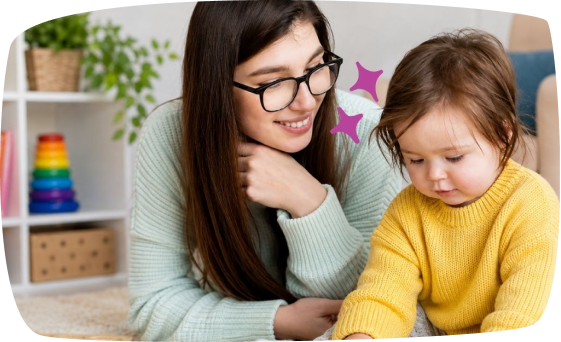
Not sure where to find a babysitter near you? Here are 8 ways to do it, from babysitter platforms and agencies to local referrals, plus specific tips for last-minute, overnight, and newborn care.
Night Babysitter: How to Find One and Tips for a Smooth Night
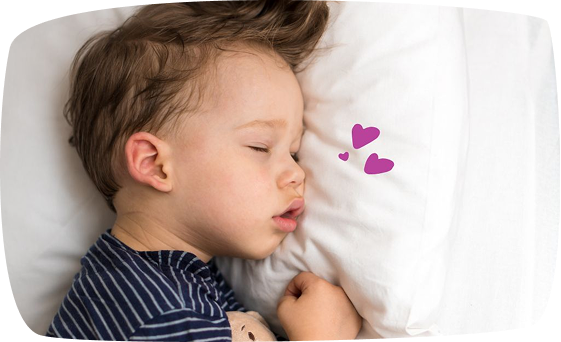
Need a babysitter who can stay overnight? Here's how to find a reliable night babysitter, what sets a night nanny apart, and what to agree on before the night starts, from pay to house rules.
How to Find a Last-Minute Babysitter Without Stress
Looking for a last-minute babysitter doesn't have to be stressful. Learn how to build an emergency babysitter list, find trusted local sitters quickly, and prepare for unexpected childcare needs before they arise.